+91 9999968096
 Photo Gallery
 Blog
Blog





Table of Contents
- 1. Understanding the Role of a Full-Stack Developer
- 2. Core Skills Every Full-Stack Developer Should Master
- HTML & CSS
- JavaScript
- Frontend Frameworks
- Backend Technologies
- Databases and Web Storage
- Git & GitHub
- AI Coding
- HTTP and REST: The Backbone of Web Communication
- 3. Soft Skills That Set Full-Stack Developers Apart
In today’s fast-paced tech world, full-stack developers are often seen as the Swiss Army knives of software development—professionals who can effortlessly switch between front-end visuals and back-end logic. They’re expected to be problem solvers, architects, and even team collaborators, all rolled into one. It’s no surprise they’re in high demand.
But here’s the good news: becoming a full-stack developer isn’t reserved for coding prodigies or tech veterans. With the right approach and a solid roadmap, even beginners can gain the skills needed to succeed in this exciting and dynamic role.
So what does it really take to get there? This guide is designed to help you cut through the noise. We'll start by exploring what full-stack development means in real-world terms. Then, we'll cover the essential tools and technologies you’ll need to master—from databases and APIs to responsive interfaces and modern frameworks.
We’ll also touch on the critical soft skills—like communication, time management, and teamwork—that often separate good developers from great ones.
And if you’re wondering whether this career path pays off, we’ll end by examining salary expectations and outlining actionable steps you can take to launch your journey as a full-stack developer. Let’s dive in.
1. Understanding the Role of a Full-Stack Developer
Every modern web or mobile application is built with two main components: the frontend and the backend. These two sides work together to create seamless user experiences.
The frontend is everything the user sees and interacts with—think buttons, menus, layouts, and animations. It’s the visual layer that defines the look and feel of the app or website. On the other hand, the backend runs behind the scenes. It manages the logic, data processing, database operations, and server interactions that keep the application running smoothly.
A full-stack developer is someone who bridges the gap between these two domains. They have the skills to design user interfaces and build the server-side systems that power them. That means understanding a wide range of tools, languages, frameworks, and databases—collectively known as the tech stack.
If you're curious about what it takes to wear both hats, we've put together a detailed guide that breaks down the full-stack developer’s responsibilities, tools, and learning path.
2. Core Skills Every Full-Stack Developer Should Master
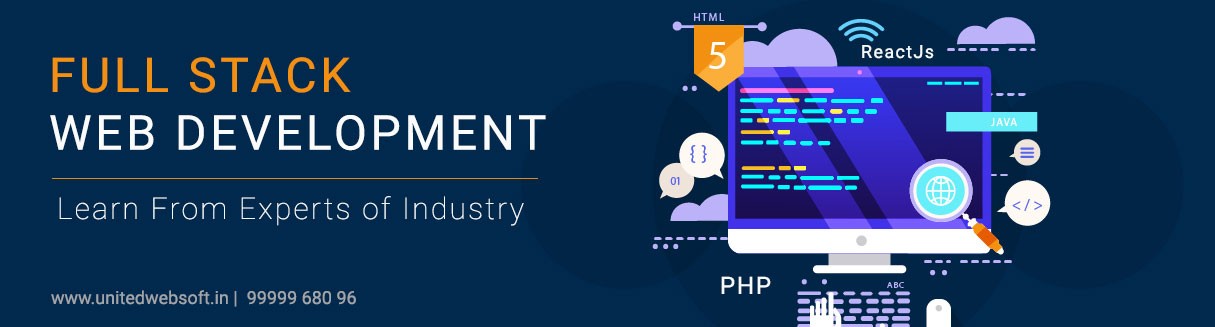
To succeed as a full-stack developer, you need to build a solid foundation across both frontend and backend technologies. Below is a curated list of the most essential skills that full-stack professionals should focus on. You can jump to any section to explore each topic in more detail.
- HTML & CSS – The building blocks of web content and design
- JavaScript – The language of interactivity for web applications
- Frontend Frameworks – Tools like React, Angular, or Vue to create dynamic user interfaces
- Backend Technologies – Languages and frameworks such as Node.js, PHP, Python, or Laravel to manage logic and data processing
- Databases & Web Storage – Understanding SQL and NoSQL databases, along with browser storage techniques
- AI-Assisted Coding – Leveraging tools like GitHub Copilot or ChatGPT to boost productivity
- Git & GitHub – For version control and collaborative coding workflows
- HTTP & RESTful APIs – The protocols and patterns that connect the frontend with the backend
While the first few items lean heavily on frontend development, there’s plenty more to explore on both sides of the stack. If you’re especially keen on frontend technologies, we’ve also created a detailed guide just for that.
HTML & CSS
HTML (HyperText Markup Language) forms the foundation of every website. It structures the content on the web and defines how different pages are linked together. Using HTML, you can add text, images, forms, and multimedia elements that are rendered by the browser.
HTML relies on markup tags to describe elements on a page. Some of the most commonly used HTML tags include:
If you’re just starting out, check out Beginner’s Guide to HTML to learn more about tags, attributes, and best practices.
CSS (Cascading Style Sheets) is what brings HTML content to life. It controls the visual appearance of your page, including layout, colors, fonts, spacing, and even animations. CSS ensures your website not only works well but looks great across all devices.
JavaScript
JavaScript is a core technology of the modern web and powers the dynamic behavior you see on most websites. It runs directly in the user’s browser through built-in JavaScript engines, making it essential for client-side interactions.
Most frontend development today involves JavaScript, often in combination with various third-party libraries and frameworks (which we’ll discuss shortly). Whether you're animating UI elements or handling form validations, JavaScript is indispensable for frontend engineers.
Frontend Frameworks
While understanding JavaScript fundamentals is crucial, most modern web development teams work with frameworks that make code more modular, reusable, and maintainable. These frameworks reduce repetitive tasks and speed up development.
React currently leads as one of the most widely adopted frameworks, but others like Vue, Angular, and Svelte are also popular choices. Each has its own syntax, structure, and advantages, depending on the project requirements and team preferences.
Before jumping into a framework, it's wise to first become confident with “vanilla” JavaScript. A solid understanding of core JavaScript principles will serve you well when working with any framework.
Backend Technologies
Now that we’ve covered the frontend, let’s look at the backend—the logic and data layer of web applications. Backend development ensures smooth functionality behind the scenes, handling data processing, authentication, and server communication.
Common backend languages include Python, Java, PHP, and Ruby. A popular modern choice is Node.js, which uses JavaScript on the server side—making it a great fit for developers already familiar with frontend JavaScript.
Backend developers are also responsible for managing data flow and integrating with databases and APIs, which leads us to the next critical skillset.
Databases and Web Storage
Most applications need to store and retrieve data—from user profiles to product inventories. This is where databases come in. As a full-stack developer, understanding how to work with both SQL (relational) and NoSQL (non-relational) databases is crucial.
SQL databases like MySQL and PostgreSQL are structured and use tables. NoSQL databases such as MongoDB store data in more flexible formats like JSON. Depending on the application, companies may use one or both types to optimize performance and scalability.
Full-stack developers should know how to design databases, write efficient queries, and handle data securely. Web storage knowledge, such as using localStorage or sessionStorage, is also useful for client-side data management.
Git & GitHub
Git is a distributed version control system that allows developers to track changes in code, collaborate effectively, and roll back to previous versions if needed. It’s an essential tool for maintaining clean, organized project histories.
GitHub is a web-based platform built around Git. It enables developers to share code, review each other's work, manage pull requests, and collaborate on open-source and private projects. Maintaining an active GitHub profile is often expected in today’s tech job market.
If you’re still unclear about the difference, check out our Git vs GitHub Guide to understand how they work together.
AI Coding
Artificial Intelligence is rapidly reshaping the web development landscape. Full-stack developers who understand and integrate AI tools are unlocking new levels of functionality and user experience.
Technologies like machine learning, natural language processing (NLP), and computer vision can enhance applications with features like personalization, intelligent search, image recognition, and predictive analytics.
Tools such as GitHub Copilot and ChatGPT are also making coding faster and smarter by suggesting real-time code and automating routine tasks. Developers with AI knowledge are in high demand, whether in full-stack roles, AI engineering, or prompt engineering.
HTTP and REST: The Backbone of Web Communication
Behind every interaction on the internet—whether you're submitting a form, clicking a link, or loading a page—there’s a system quietly exchanging information between your browser and a server. That system runs on HTTP (Hypertext Transfer Protocol), the foundation of data transfer on the web.
HTTP works by sending requests from the client (like your browser) to a server, and then receiving responses that load the appropriate content. Whether it’s fetching a webpage or updating data through a form, HTTP governs the entire process.
On top of this protocol sits REST (Representational State Transfer), a design pattern that standardizes how software systems communicate. REST allows frontend applications to interact smoothly with backend servers—typically through APIs that follow clear rules for accessing and modifying data.
In full-stack development, knowing how HTTP methods (like GET, POST, PUT, DELETE) work—and how they’re implemented within RESTful APIs—is critical. It’s what allows your frontend buttons to trigger backend operations like user registration, file uploads, or product searches in a structured and reliable way.
---3. Soft Skills That Set Full-Stack Developers Apart
While technical skills help you write great code, it’s often the soft skills that determine how far you go as a full-stack developer. Working on real-world projects involves collaboration, problem-solving, and navigating ambiguity—none of which can be solved with code alone.
1. Adaptability and a Growth Mindset
The tech landscape changes fast. One week you're learning a new framework, the next you're debugging legacy code you've never seen before. Rather than knowing everything up front, successful developers stay curious, adaptable, and open to learning.
Instead of getting stuck when things get hard, they ask questions like, "What don't I understand yet?" or "Where can I find the answer?" A growth mindset encourages experimentation, embraces mistakes, and turns unknowns into opportunities to level up.
2. Thoughtful Planning and Patience
Jumping into code without a plan often leads to messy, short-lived solutions. Organized developers take time to map out their approach. They sketch compon
4. Communication: The Developer's Hidden Superpower
Writing clean code is important—but so is communicating clearly. In a team environment, your ability to express ideas, raise concerns, and collaborate effectively can make or break a project.
Whether you're syncing up with designers, updating the product manager, or pairing with another developer, strong communication helps prevent misunderstandings and overlapping efforts. For example, if two devs are working in the same codebase, a quick chat can avoid merge conflicts and wasted time.
Sometimes, a design might not be technically feasible. Or maybe a ticket turns out to be far more complex than expected. These are moments when honest, timely communication is essential. Speak up early, and you’ll save your team a lot of frustration later.
It’s also important to voice things beyond tasks—like if you're unclear about a system design, or feeling overwhelmed by workload. Teams function best when members support each other, and that starts with open dialogue.
4. How to Become a Full-Stack Developer
If the idea of building both the interface and the logic behind a web app excites you, full-stack development could be the perfect path.
Not sure where to begin? Start small. Try some beginner-friendly coding tutorials or enroll in a free web development course. These offer a low-commitment way to dip your toes in and build foundational skills like HTML, CSS, and JavaScript.
If you find yourself enjoying the process, consider stepping it up with a structured coding bootcamp. Many bootcamps offer full-stack tracks designed to take you from beginner to job-ready in a matter of months.
There’s no single path into tech—what matters most is starting. Whether you're learning solo, attending a bootcamp, or pursuing a degree, consistency and curiosity will take you far.
5. How Much Can Full-Stack Developers Earn?
Full-stack development isn’t just a versatile role—it’s also one with strong earning potential. In the U.S., the average salary for full-stack developers in 2025 sits around $86,850, according to our most recent salary report.
Of course, salaries can vary significantly depending on location, experience level, and the size of the company. Developers in major tech hubs or with specialized expertise can command much higher pay.
If you’re curious about what to expect in your region or field, check out resources like our Full-Stack Developer Salary Guide, or explore platforms like Glassdoor and Indeed for real-time salary insights.
6. Final Thoughts: Is Full-Stack Development Right for You?
Deciding whether to pursue a career in full-stack development isn't about having every skill on day one. Instead, it’s about curiosity, persistence, and a willingness to grow over time.
The truth is, even senior developers are always learning. Technologies evolve, tools improve, and new challenges emerge every day. What matters is enjoying the journey of solving problems and building things that work.
If you're excited by the idea of creating complete web experiences—both how they look and how they work—full-stack development might be your calling.
Want to explore more about web development? Check out our latest articles and deep dives into design systems, backend architecture, frontend tooling, and beyond.