+91 9999968096
 Photo Gallery
 Blog
Blog




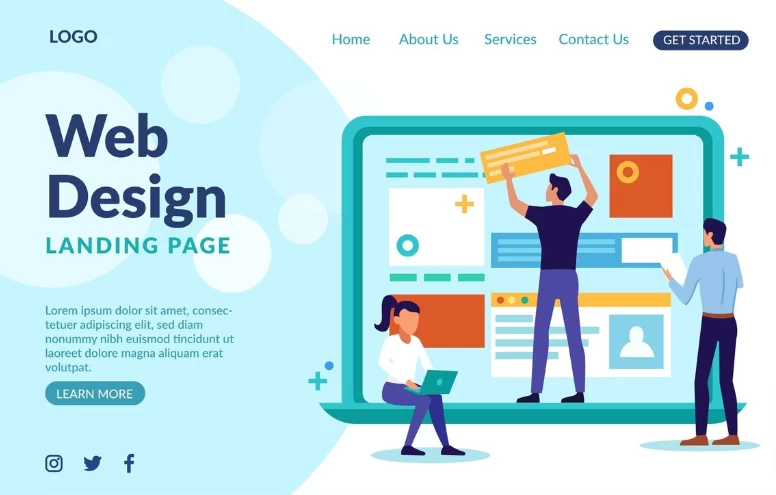
Table of Contents
Want to see some good examples of website layouts? This is the first step on your journey to inspiration.
A website is the result of several smaller decisions, the biggest of which is choosing to create one for yourself or your business. Those who take the effort to craft a visual experience that aligns with their brand and meets customer expectations—while also standing out from the competition—create the best-designed websites.
Although this may seem like a large undertaking, you don’t have to start from scratch. Modern content management systems with drag-and-drop functionality make website creation easier than ever. In addition, there are countless incredible online resources that can serve as inspiration.
In this post, our website design and development agency will share the top 2026 web design trends, showcase impressive examples of contemporary web design, and provide practical advice to help your website stand out from the crowd.
1. Specialised Drawings
Today, custom illustrations are widely used in website development. They make a website feel more personalised and exclusive, helping brands build a distinct identity.
Custom illustrations can include digital graphics or hand-drawn artwork. They can add creativity to a design or act as visual guides that enhance the user experience.
Illustrations are especially useful for simplifying complex concepts or processes. For example, they can visually explain workflow steps or clarify technical topics in an engaging way.
2. Page-Wide Headings
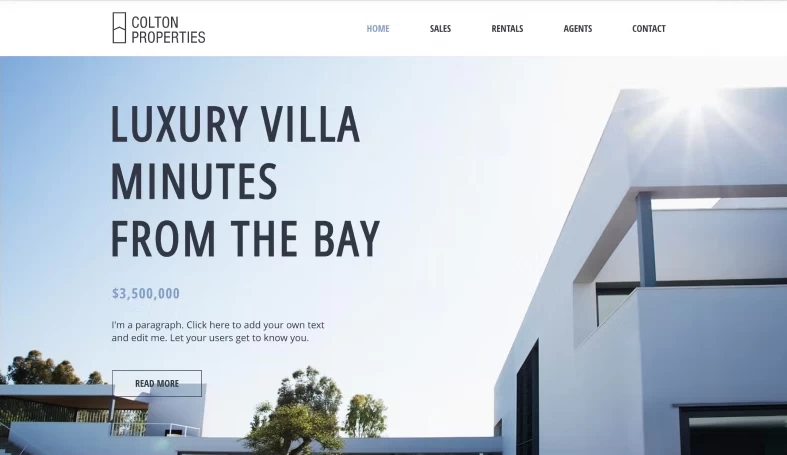
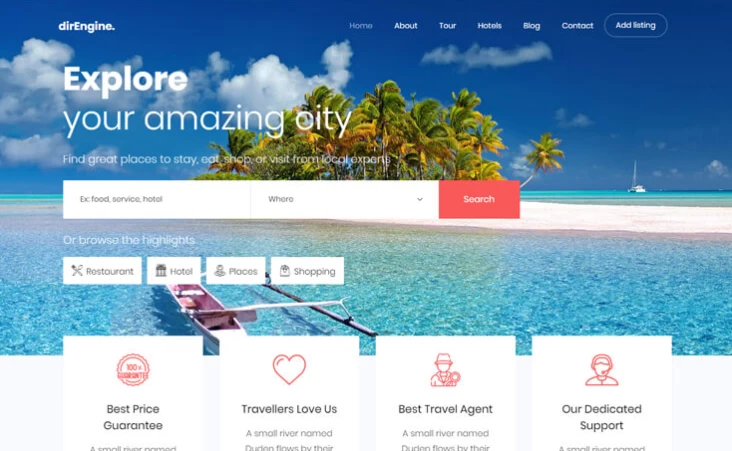
Using large images or videos as the background of a website’s header section is a popular practice in modern web design. This approach creates an immersive and visually striking experience.
Full-screen headers occupy the entire viewport and often include overlay text or call-to-action buttons. Their purpose may be to highlight a brand, promote a product or service, or establish the tone of the website.
Well-designed call-to-action buttons clearly guide visitors on what to do next. As users scroll, content sections can be organised into structured layouts or cards, keeping the design clean, minimal, and easy to navigate.
3. Parallax Scrolling
In 2026, parallax scrolling continues to be a strong trend in web design. Parallax scrolling reveals content gradually as users scroll down the page, creating depth and a dynamic storytelling experience.
Background videos and subtle animations can also be integrated into scrolling sections to create a dynamic effect. This technique helps bring visual elements to life and makes the browsing experience more interactive.
4. White Space
The practice of intentionally leaving areas of a design empty is known as “white space” or “negative space.” These blank areas exist between design elements on a webpage.
Modern web design uses white space strategically to create a clean, uncluttered look and improve readability. It enhances visual balance and draws attention to key components such as headlines, buttons, or featured content.
5. Greater Emphasis on UI & UX
In recent years, there has been a strong shift toward prioritising user interface (UI) and user experience (UX) in web design. UX refers to the overall experience a user has when interacting with a website, while UI focuses on the visual and interactive elements users engage with directly.
User-centered design has become essential in today’s competitive digital environment. Websites must offer intuitive navigation, fast loading speeds, mobile responsiveness, and engaging content to attract and retain visitors.
The world has experienced rapid digital transformation in recent years. From technological advancements to evolving user behaviour, designers must constantly adapt and innovate to meet modern expectations.
Professional web designers and developers who combine clean aesthetics with originality can create exceptional user experiences that leave a lasting impression.
The best website designers add creativity and personality to the digital space while ensuring simplicity and usability. In 2026, UI and UX go hand in hand—your website’s interface must be visually appealing, easy to navigate, and performance-driven.